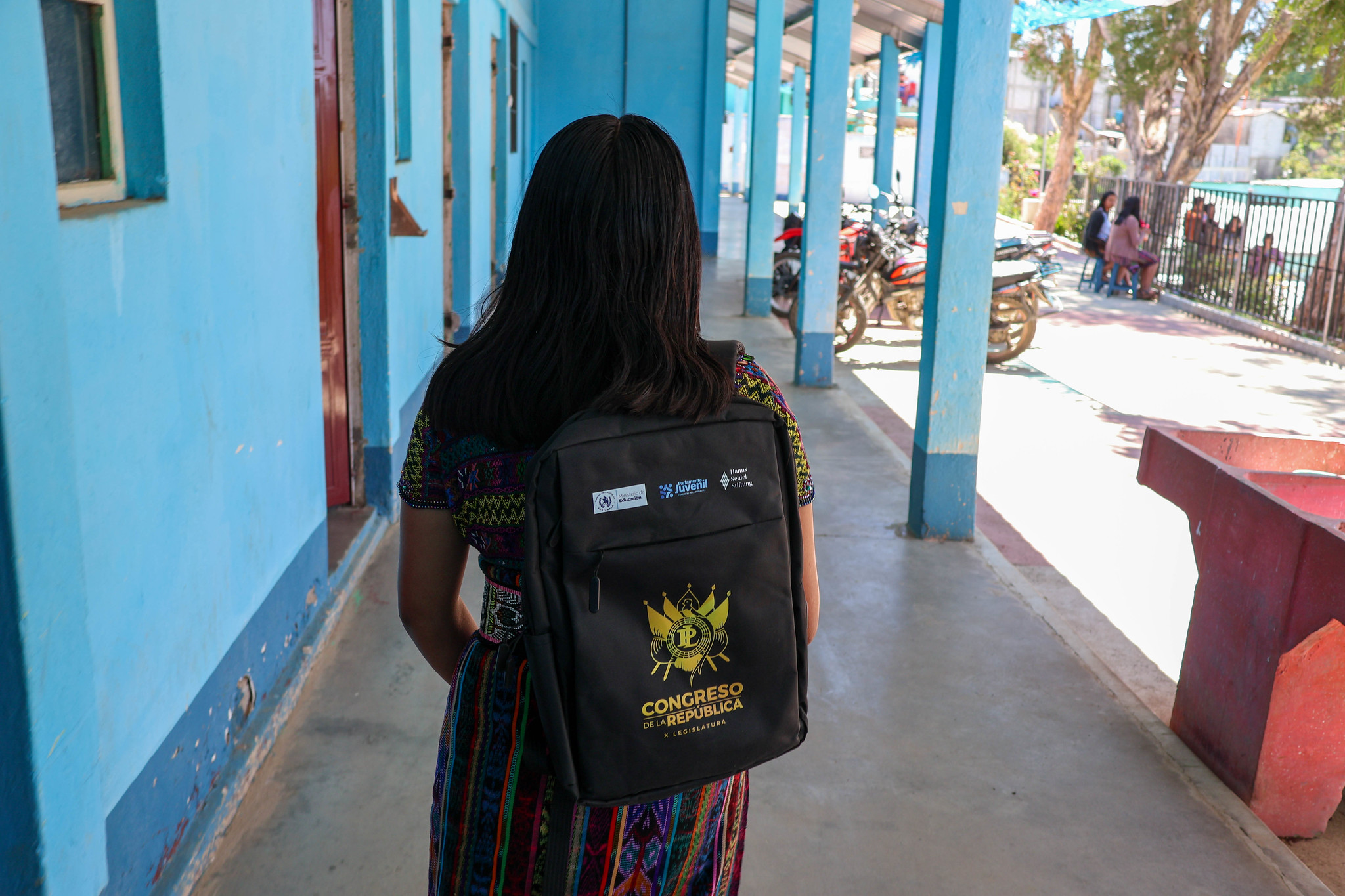
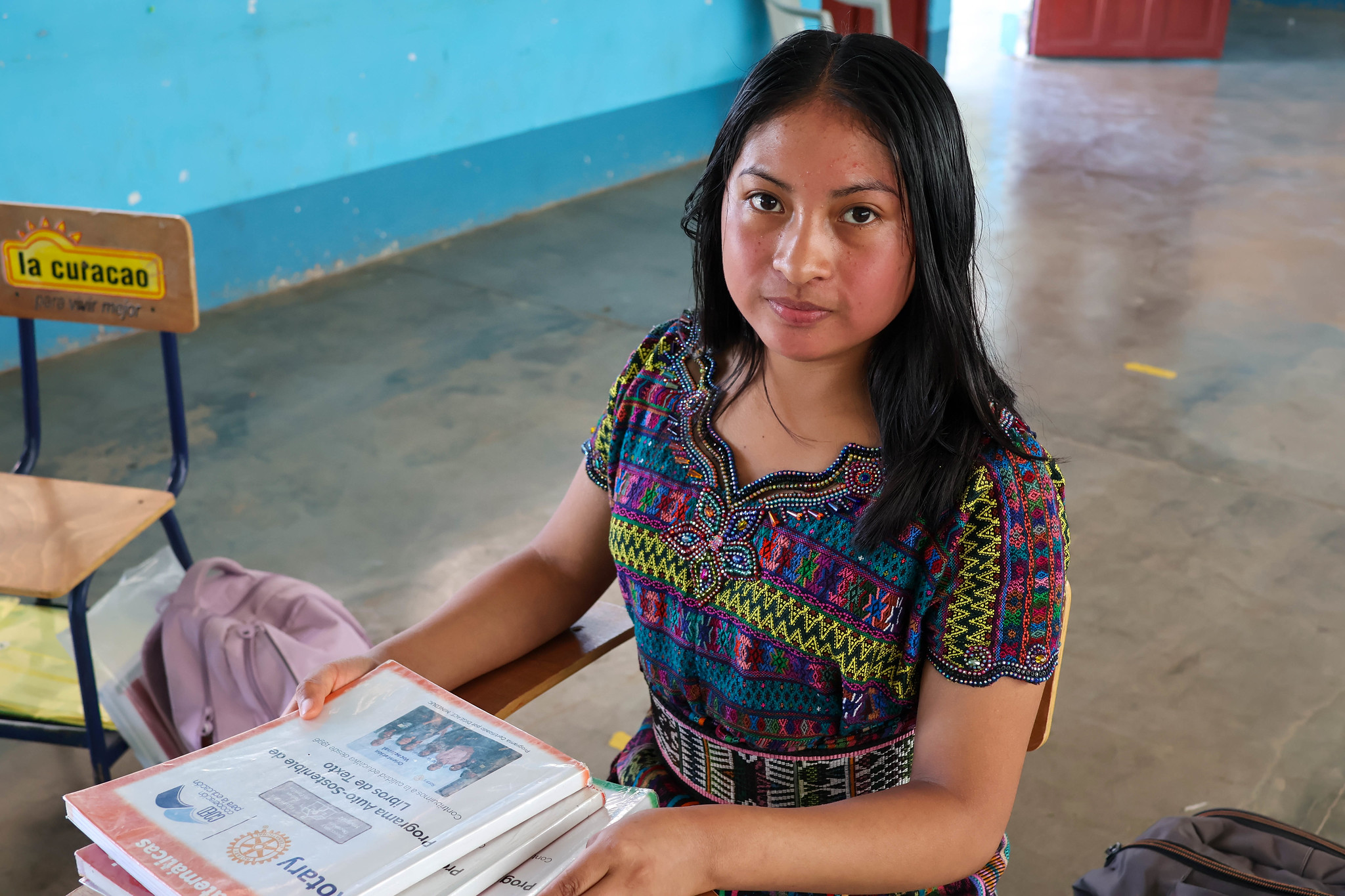
The first time María Isabel, a young woman from San Martín Jilotepeque, Chimaltenango, sat in the chamber of Guatemala’s Congress, she did not arrive with a speech written by advisors or a political career behind her. She certainly did not have a million-dollar campaign. What María carried with her was a lesson: her ideas mattered and deserved to be heard. More than 50 kilometers from her community, she discovered that education could open doors she had never imagined.
Just a few months earlier, María Isabel, a student at NUFED No. 2 (Núcleo Familiar Educativo para el Desarrollo) in San Martín Jilotepeque, lived a fairly ordinary life. Like many young people in rural Guatemala, she divided her days between household responsibilities, schoolwork, and dreams that still felt far away. In Guatemala, young people growing up in vulnerable communities often face significant barriers to education, including economic challenges, long distances to schools, the need to enter the workforce at an early age, and limited access to learning resources. As a result, only a fraction of students complete secondary education. In this context, simply staying in school is already an achievement. Finding opportunities to develop leadership skills, civic engagement, and professional aspirations is even less common.
“What motivates me to keep studying is that I have a dream of becoming someone in life and earning a degree,” María Isabel says with confidence.
For María Isabel, education is the path toward the future she has imagined since she was a child. For years, she dreamed of becoming a nurse, a profession she admires because of the responsibility involved in caring for others. Today, she is pursuing a computer science track in high school alongside a medical studies diploma program. She already knows the path she wants to follow. First, she wants to become a nurse. Later, she hopes to study business administration so she can start her own business and create opportunities for her family.
Her love of learning goes beyond grades. She enjoys reading, speaking in public, and sharing what she learns with others. At NUFED, she found opportunities to strengthen those skills and build confidence in expressing her ideas.
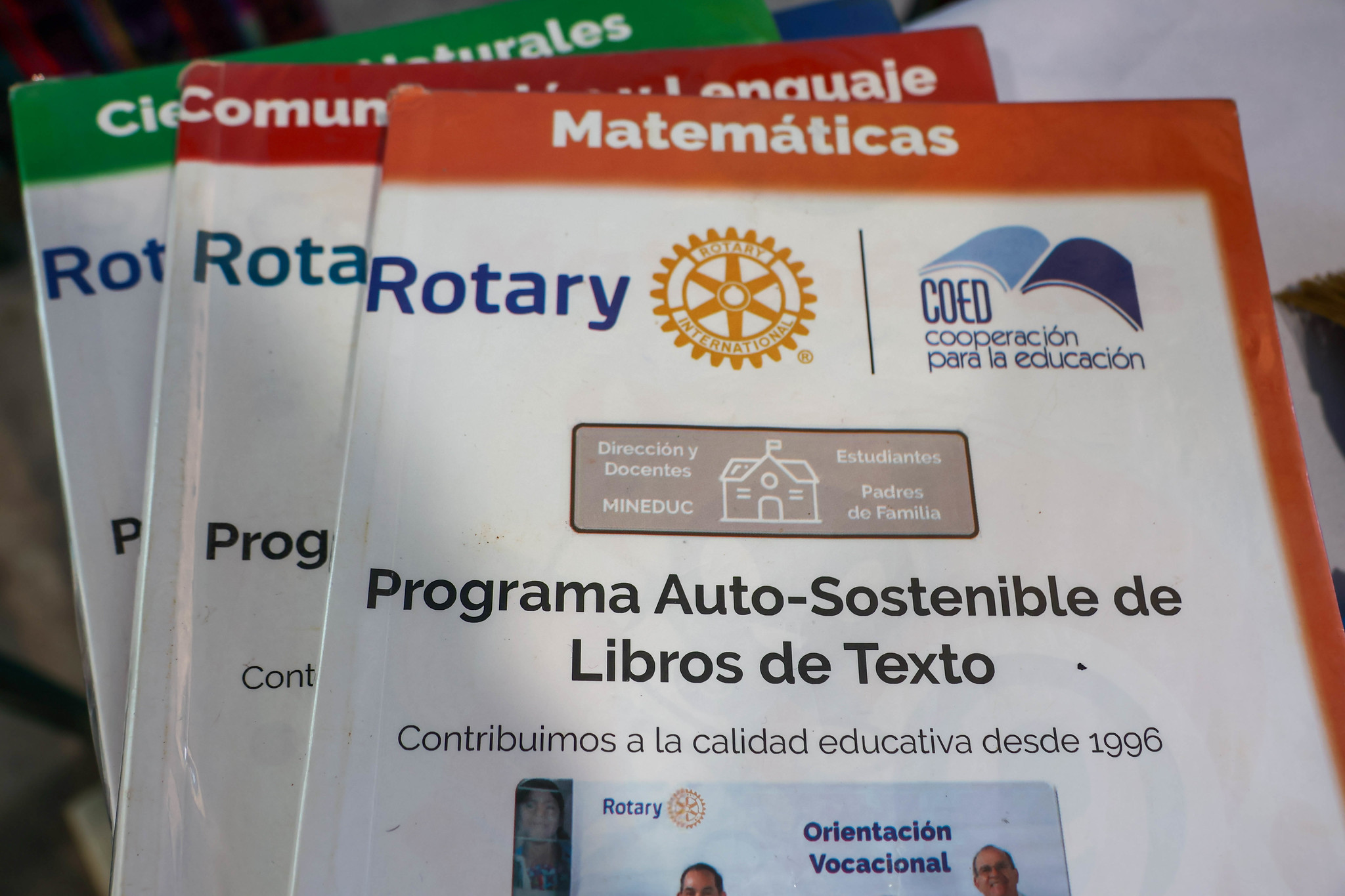
She also found something that remains out of reach for many students in rural communities: access to educational materials of her own. Through Cooperative for Education’s (CoEd) Textbook Program, María Isabel and her classmates received textbooks designed to support learning throughout the school year. For students in communities like San Martín Jilotepeque, having their own books means being able to study both inside and outside the classroom, look up information when questions arise, and reinforce learning without depending entirely on internet access or external materials.
Without realizing it, that combination of curiosity, discipline, a love of reading, and access to educational resources was preparing her for an opportunity that would change the way she saw her future.
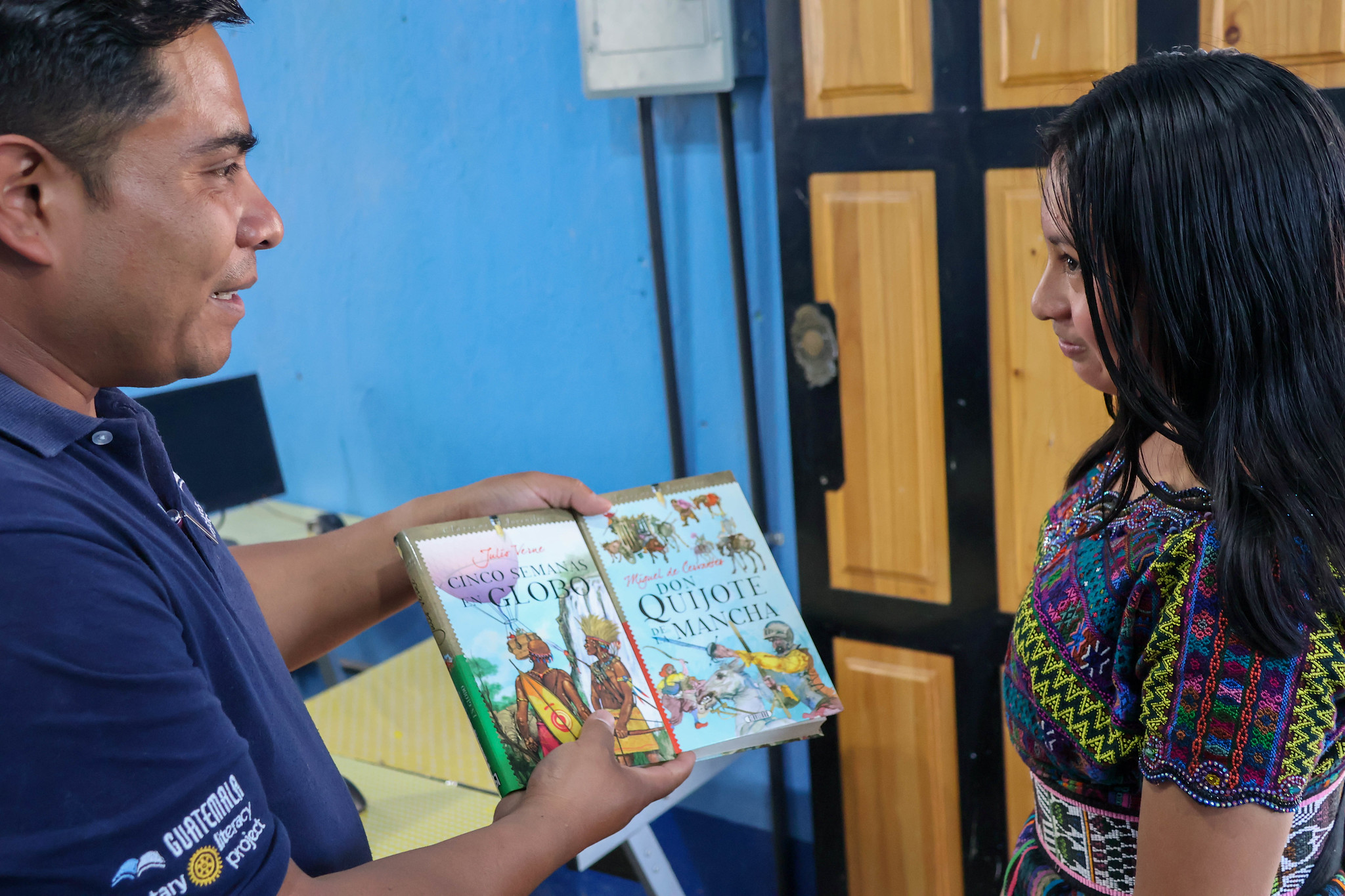
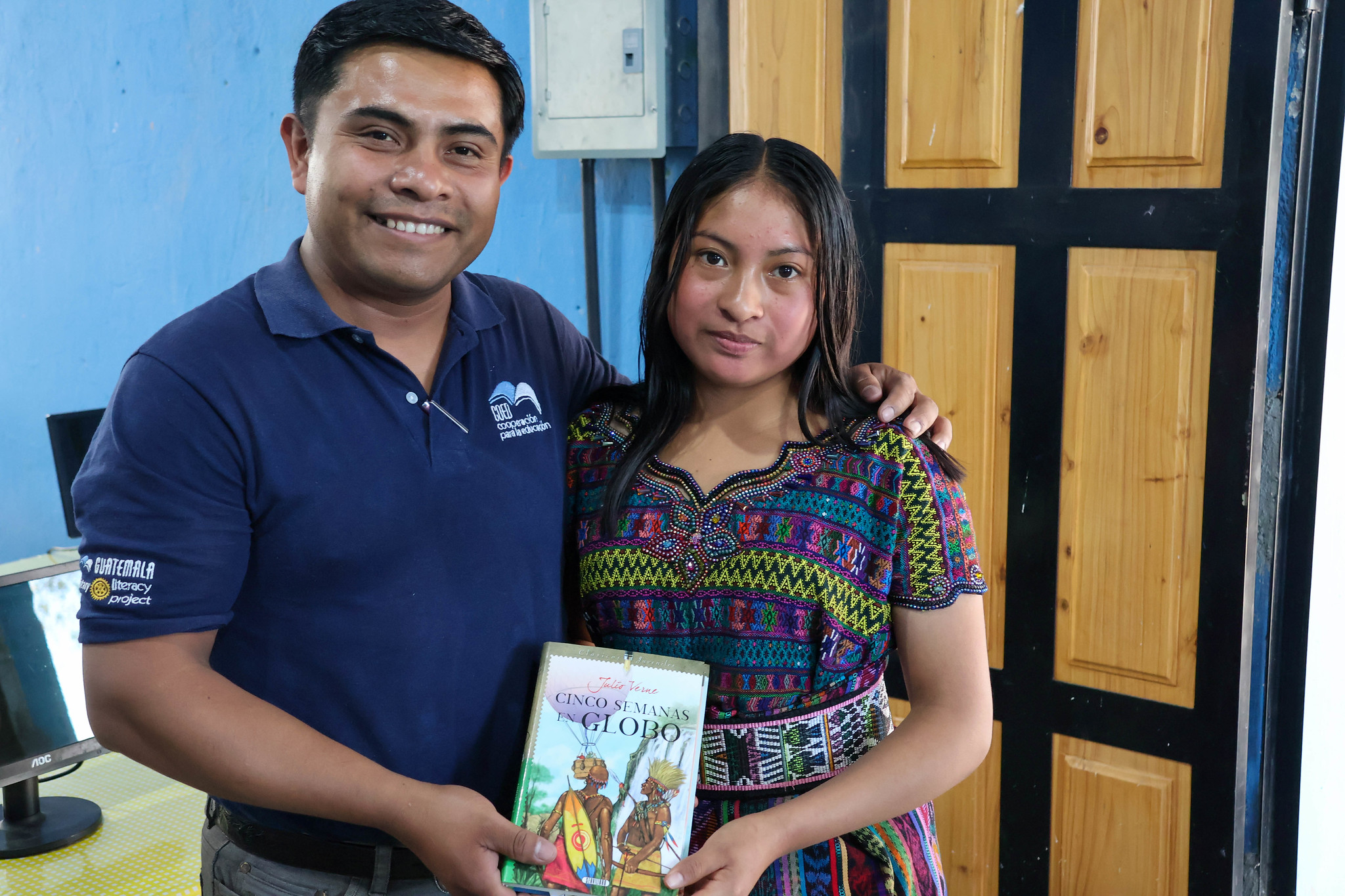
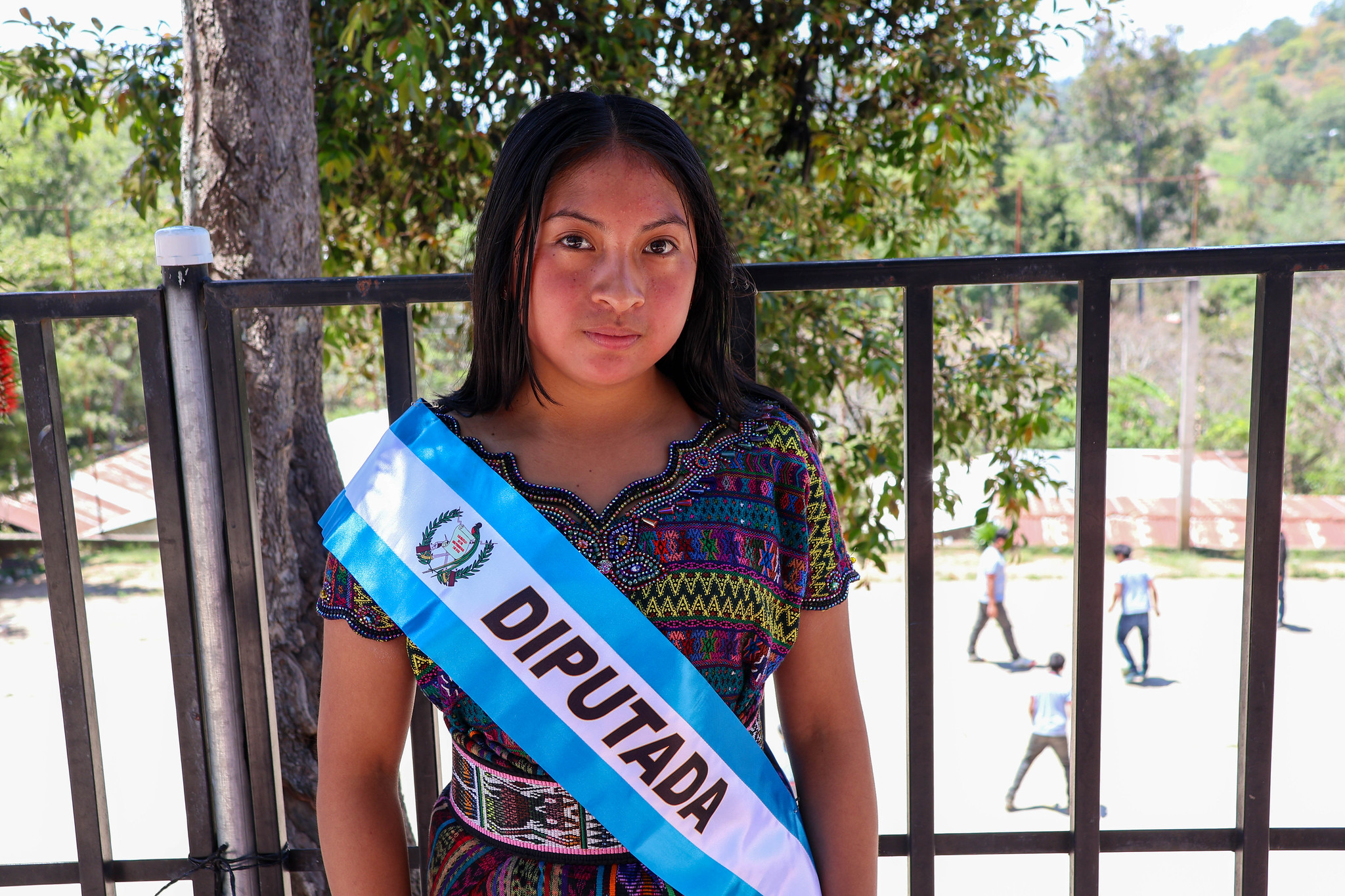
When the opportunity arose to represent her community in the “Congresswoman for a Day” program, organized by Guatemala’s Congress, María Isabel was chosen by her classmates to participate in the selection process. By then, she had already developed qualities that made her stand out in the classroom. She loved reading, actively participated in discussions, and used words as a way to share what she learned with others.
Her teachers were not surprised to see her take on the challenge.
“We thought she was the ideal student for this opportunity because she is dedicated, well-prepared, and loves reading,” recalls Lesbia Aguilar, director of NUFED No. 2, who was one of María Isabel’s teachers at the time.
The competition focused on topics related to citizenship, democracy, and civic participation. These were concepts María Isabel had already begun exploring in the classroom and would soon discuss alongside students from municipalities and departments across the country.
To prepare, she turned to a familiar resource: the textbooks she had used throughout her basic education. The main topic of the competition was democracy, and as she studied to represent her community, she realized that much of the information she needed was already in the books she had at hand.
“The book had all the information I needed to participate and express my ideas about the topic,” she recalls
The experience confirmed what her teachers had already seen for years. The textbooks helped María Isabel arrive prepared for a process that required reading comprehension, critical thinking, and communication skills.
“The books helped us support her. Everything she could be asked about was explained there,” says Aguilar.
After advancing through the selection process, María Isabel was chosen to represent San Martín Jilotepeque and traveled to Guatemala City to participate in the program. For two days, she met students from across the country, exchanged ideas about leadership, and learned firsthand how Congress works.
“No one expects news like that or an opportunity like that,” she says. “I felt very proud and happy to be there in Congress.”
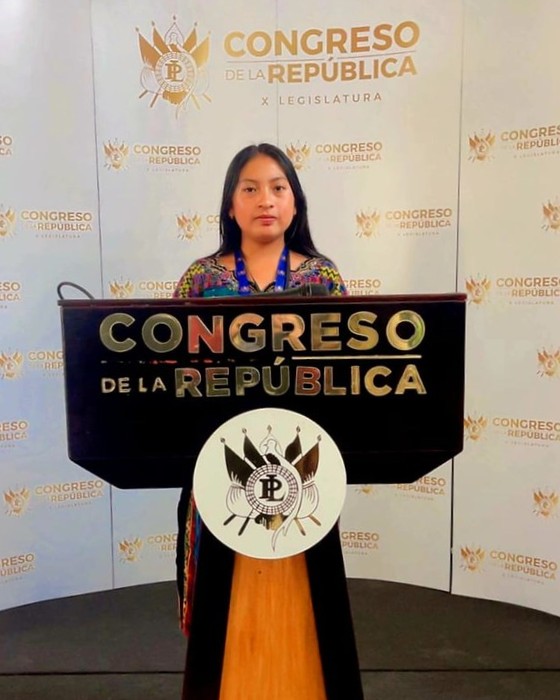
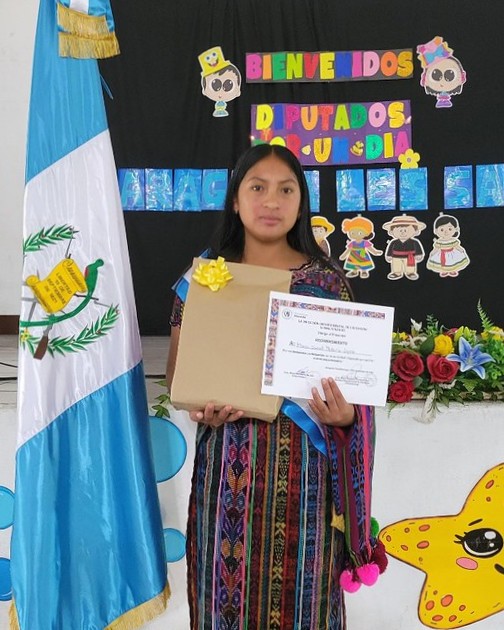
Today, María Isabel still dreams of becoming a nurse. She also hopes to study business administration and start her own business. But after her experience in Congress, something changed. Her goals are no longer only about earning a degree or building a career. She now knows that her voice belongs in spaces that once seemed out of reach.
“With the book in our hands, we could read, look at pictures, review examples, and go back to study topics we didn’t understand,” she explains.
When she talks about her future, she also thinks about other young people in communities like hers. She hopes more students will have access to the same learning opportunities she received.
“I would like more students to have these books so they can learn more and discover more,” she says. “They help a lot.”
María Isabel’s story is a reminder that access to quality educational materials does more than improve academic performance. It helps build informed citizens, confident young leaders, and students who can imagine new possibilities for themselves and their communities.
For María Isabel, it all started with something as simple as opening a book.
And discovering that its pages held space for her own dreams as well.